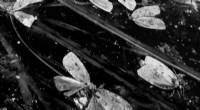
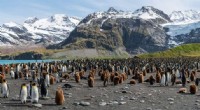
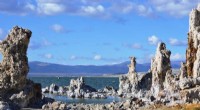
Ecosystems are the most obvious way that living and non-living things interact. Ecosystems are made up of all the living things in an area, as well as the non-living things that affect them, such as climate, soil, and water. Living and non-living things interact with each other in ecosystems to create a stable environment that supports life.
2. Food Chains and Food Webs
Food chains and food webs are another way that living and non-living things interact. Food chains show how energy flows from one organism to another, while food webs show how different organisms are interconnected in a complex network of feeding relationships. Living things interact with non-living things, such as sunlight and water, to produce food. They also interact with each other to consume food and gain energy.
3. Nutrient Cycling
Nutrient cycling is the process by which nutrients are recycled from the environment into living things and back into the environment. This process is essential for the survival of all living things. Living things interact with non-living things, such as soil, water, and air, to cycle nutrients.
4. Climate and Weather
Climate and weather are non-living things that can have a profound impact on living things. Climate can affect the distribution of organisms, while weather can affect their survival. Living things interact with climate and weather by adapting to their local conditions.
5. Human Activities
Human activities are a major way that living and non-living things interact. Human activities can alter ecosystems, climate, and weather. They can also introduce new organisms into an environment, which can have a positive or negative impact on the existing ecosystem.
Living and non-living things interact with each other in a complex and dynamic way. These interactions are essential for the survival of all living things. By understanding these interactions, we can better understand the world around us and how to protect it.