Long-term protection is necessary for conservation success. Many conservation goals, such as protecting threatened species and maintaining ecosystem function, require long-term commitment. A 25-year conservation period is simply too short to ensure the long-term survival of many species and ecosystems.
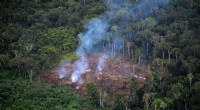
Short-term conservation can lead to negative impacts. When land is conserved for a short period and then returned to other uses, it can disrupt natural ecosystems and displace wildlife. This can lead to negative impacts on biodiversity, water quality, and other environmental values.
Landowners may be less likely to participate in conservation if it is not long-term. If landowners know that their land will only be conserved for a short period, they may be less likely to agree to participate in conservation programs. This can make it more difficult to achieve the 30% land protection target.
For all of these reasons, it is important to ensure that land conserved toward Australia's 30% land protection target is protected in perpetuity. This will help to ensure the long-term success of conservation efforts and protect Australia's unique biodiversity.
Here are some specific examples of why 25-year conservation is not sufficient:
* Many threatened species require long-term protection. For example, the koala has a lifespan of up to 20 years, and the giant barred frog can live for up to 30 years. A 25-year conservation period would not be long enough to protect these species throughout their entire lifespans.
* Ecosystems can take a long time to recover from disturbance. For example, it can take decades for a forest to regenerate after a fire. A 25-year conservation period would not be long enough to allow many ecosystems to fully recover from disturbance.
* Landowners may be less likely to participate in conservation if it is not long-term. If landowners know that their land will only be conserved for a short period, they may be less likely to agree to participate in conservation programs. This can make it more difficult to achieve the 30% land protection target.
For all of these reasons, it is important to ensure that land conserved toward Australia's 30% land protection target is protected in perpetuity.