* Strengths:
* Helsinki is a compact city with a well-developed public transportation system, making it easy for residents to get around without cars.
* The city has a strong commitment to sustainability, with ambitious goals for reducing greenhouse gas emissions and increasing renewable energy use.
* Helsinki is home to several innovative sustainable development initiatives, such as the district heating system that provides heat to over 90% of the city's buildings.
* Weaknesses:
* Helsinki is a relatively expensive city, which can make it difficult for some residents to afford sustainable housing and transportation options.
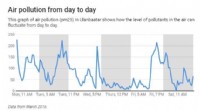
* The city's air quality can be poor, especially during the winter months when wood-burning stoves are used for heating.
* Helsinki is vulnerable to climate change impacts, such as sea-level rise and increased flooding.
Espoo:
* Strengths:
* Espoo is a rapidly growing city, but it has managed to maintain a relatively high quality of life for its residents.
* The city has a strong economy and a diverse job market, which attracts people from all over the world.
* Espoo is home to several large technology companies, which are investing in sustainable development initiatives.
* Weaknesses:
* Espoo is a car-dependent city, and traffic congestion is a major problem.
* The city's green spaces are under pressure from development, and there is a need to protect and enhance these areas.
* Espoo is also vulnerable to climate change impacts, such as increased flooding and heat waves.
Tampere:
* Strengths:
* Tampere is a compact city with a well-developed public transportation system.
* The city has a strong commitment to sustainability, with ambitious goals for reducing greenhouse gas emissions and increasing renewable energy use.
* Tampere is home to several innovative sustainable development initiatives, such as the city's district heating system and the Tampere tramway.
* Weaknesses:
* Tampere's air quality can be poor, especially during the winter months when wood-burning stoves are used for heating.
* The city is vulnerable to climate change impacts, such as increased flooding and heat waves.
* Tampere is a relatively small city, and it can be difficult to find certain amenities and services.
Turku:
* Strengths:
* Turku is a compact city with a well-developed public transportation system.
* The city has a strong commitment to sustainability, with ambitious goals for reducing greenhouse gas emissions and increasing renewable energy use.
* Turku is home to several innovative sustainable development initiatives, such as the city's district heating system and the Turku tramway.
* Weaknesses:
* Turku's air quality can be poor, especially during the winter months when wood-burning stoves are used for heating.
* The city is vulnerable to climate change impacts, such as increased flooding and heat waves.
* Turku is a relatively small city, and it can be difficult to find certain amenities and services.
Oulu:
* Strengths:
* Oulu is a compact city with a well-developed public transportation system.
* The city has a strong commitment to sustainability, with ambitious goals for reducing greenhouse gas emissions and increasing renewable energy use.
* Oulu is home to several innovative sustainable development initiatives, such as the city's district heating system and the Oulu tramway.
* Weaknesses:
* Oulu's air quality can be poor, especially during the winter months when wood-burning stoves are used for heating.
* The city is vulnerable to climate change impacts, such as increased flooding and heat waves.
* Oulu is a relatively small city, and it can be difficult to find certain amenities and services.
Overall, Finnish cities are performing well in terms of sustainable development. They have strong commitments to sustainability, ambitious goals for reducing greenhouse gas emissions and increasing renewable energy use, and a variety of innovative sustainable development initiatives. However, there are some challenges that Finnish cities need to address, such as air pollution, climate change impacts, and the high cost of living.