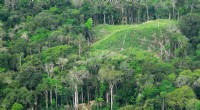
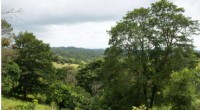
1. Biodiversity Boost: A wild lawn encourages diverse plant species, insects, and animals to thrive. This provides a habitat for pollinators like butterflies and bees, along with a food source for birds and other wildlife.
2. Drought Resistance: Wild lawns have deeper root systems, which help them withstand dry spells better than manicured grass. Native plants are often drought-tolerant, requiring less water and reducing the strain on local water resources.
3. Reduced Carbon Emissions: Maintaining a wild lawn requires less frequent mowing, which means fewer gasoline-powered lawn mowers in use. This helps lower air pollution and greenhouse gas emissions.
4. Nutrient Cycling: Wild lawns help recycle nutrients back into the soil. When leaves, flowers, and other plant material decompose, they release essential nutrients that benefit the entire ecosystem.
5. Natural Weed Control: A diverse lawn with a variety of plant species naturally suppresses weed growth. This reduces the need for herbicides and pesticides, which can harm beneficial insects and pollute water sources.
6. Aesthetics: A wild lawn can be a beautiful and low-maintenance addition to any landscape. Different plants add color, texture, and visual interest throughout the year.
7. Climate Change Adaptation: Climate change is increasing the frequency and severity of extreme weather events. Wild lawns can help mitigate these effects by absorbing rainfall, reducing erosion, and providing a buffer against high temperatures.
Remember, not every part of your lawn needs to be wild. Designating specific areas, especially those that are not frequently used or visible, can provide ecological benefits without compromising your outdoor enjoyment. Embrace the beauty of nature and make a positive impact on the environment by letting some parts of your lawn go wild.