Introduction:
Hay fever, also known as allergic rhinitis, is a common allergic reaction triggered by pollen grains released by plants. Pollen dispersal plays a crucial role in causing hay fever symptoms, and understanding the extent to which pollen travels in the atmosphere can provide valuable insights into the causes of urban hay fever. This study aims to investigate pollen dispersal patterns and how they contribute to hay fever in urban environments.
Methods:
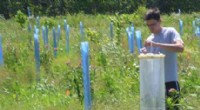
To study pollen dispersal, a comprehensive monitoring network was established in an urban area. Pollen traps were strategically placed at different heights and locations to capture pollen grains at various distances from pollen sources. The collected pollen samples were analyzed using microscopy to identify pollen types and quantify pollen concentrations. Meteorological data, including wind speed, wind direction, and temperature, were recorded simultaneously to understand their influence on pollen dispersal.
Results:
The study revealed that pollen dispersal patterns in the urban environment were highly influenced by atmospheric conditions and the presence of vegetation. Pollen concentrations were found to be highest during peak pollen seasons, and certain types of pollen, such as from trees and grasses, showed distinct dispersal patterns. Pollen grains were found to travel considerable distances, even across urban areas, highlighting the potential for long-distance pollen transport. Additionally, the study found that urban areas with high traffic density and limited green spaces experienced higher pollen concentrations, suggesting that urban infrastructure and land use planning can impact hay fever prevalence.
Discussion:
The findings of this study provide new insights into the causes of urban hay fever. By understanding how far pollen travels in the atmosphere and the factors influencing its dispersal, we can better develop strategies to mitigate hay fever symptoms in urban environments. This knowledge can inform urban planning and landscaping practices, such as increasing green spaces and planting low-allergy plants, to reduce pollen exposure and improve quality of life for individuals affected by hay fever.
Conclusion:
This study enhances our understanding of pollen dispersal and its contribution to urban hay fever. By investigating pollen travel patterns and their relationship with atmospheric conditions and urban infrastructure, we can work towards creating more sustainable and allergen-friendly urban environments that minimize the impact of hay fever on public health.