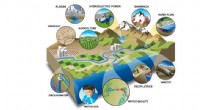
* Habitat fragmentation: Roads can divide natural habitats into smaller and more isolated patches, which can make it difficult for animals to find food, mates, and shelter. This can lead to population declines and even extinctions.
* Pollution: Roads are a major source of pollution, including air, water, and noise pollution. This can harm animals directly or indirectly by affecting their food, water, and habitat.
* Roadkill: Millions of animals are killed each year by collisions with vehicles. This can have a significant impact on animal populations, especially for threatened or endangered species.
* Changes in animal behavior: Roads can also change animal behavior, such as causing them to avoid certain areas or alter their migration patterns. This can have a ripple effect on the entire ecosystem.
* DNA damage: A recent study found that roads can even damage the DNA of animals living nearby. This could have serious implications for animal health and survival.
The construction and maintenance of roads has a significant impact on the environment and can cause a variety of changes to the landscape, including:
* Deforestation: Roads often require large amounts of land, which can lead to deforestation. This can have a negative impact on the environment by reducing biodiversity, increasing soil erosion, and contributing to climate change.
* Erosion: Roads can also contribute to erosion, which is the process of soil being worn away by wind and water. This can lead to the loss of topsoil, which is important for plant growth, and can also cause damage to infrastructure.
* Water pollution: Roads can pollute water sources by runoff from the road surface, which can contain chemicals, heavy metals, and other pollutants. This can have a negative impact on aquatic ecosystems and human health.
* Air pollution: Roads are also a major source of air pollution, which can cause a variety of health problems, including respiratory problems, heart disease, and cancer.
* Noise pollution: Roads can also generate noise pollution, which can disrupt the behavior of animals and humans.
In addition to these environmental impacts, roads can also have a negative impact on human health and safety:
* Accidents: Roads are a major cause of accidents, which can lead to injuries and fatalities.
* Congestion: Roads can also become congested, which can lead to delays, stress, and frustration.
* Social isolation: Roads can also lead to social isolation, as they can make it difficult for people to walk or bike to their destinations.
Overall, roads have a significant impact on the environment and human health and safety. It is important to consider these impacts when planning and constructing roads.