Size
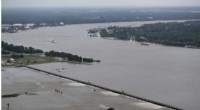
Lakes are generally larger than ponds. There is no official definition of what constitutes a lake versus a pond, but in general, lakes are considered to be larger than 1 square kilometre (0.39 square miles), while ponds are smaller than 1 square kilometre.
Depth
Lakes are also generally deeper than ponds. The deepest lake in the world, Lake Baikal in Russia, is over 1,600 metres (5,200 feet) deep. The deepest pond, the Blue hole in Belize, is only about 120 metres (390 feet) deep.
Water flow
Lakes are also more likely to have flowing water than ponds. Lakes may have streams or rivers flowing into and out of them, while ponds are more likely to be closed systems with no flowing water.
Plants and animals
Lakes and ponds can support different types of plants and animals. Lakes are more likely to have a variety of fish, as well as other aquatic plants and animals. Ponds are more likely to have a simpler ecosystem, with fewer species of plants and animals.
Uses
Lakes and ponds can be used for different purposes. Lakes are more likely to be used for recreation, such as swimming, boating, and fishing. Ponds are more likely to be used for irrigation, livestock watering, and wildlife habitat.
Overall, lakes and ponds are both valuable freshwater resources. Lakes are generally larger, deeper, and have more flowing water than ponds. Lakes also support a more diverse ecosystem than ponds. Both lakes and ponds can be used for a variety of purposes, such as recreation, irrigation, and wildlife habitat.