Rainforests are the most biologically diverse ecosystems on Earth, home to an estimated 50% of all plant and animal species. They play a vital role in regulating the global climate and providing essential resources for people around the world.
Rainforests are located near the equator, where the climate is warm and humid. The average temperature in a rainforest is between 75 and 85 degrees Fahrenheit, and the humidity is typically around 80%. This warm, humid climate is ideal for plant growth, and it allows rainforests to support a wide variety of plant and animal life.
The most important plants in a rainforest are the trees. Rainforest trees are typically very tall, with some species reaching heights of over 100 feet. The trees are covered in leaves that are broad and green. The leaves absorb sunlight and water from the air, and they use this energy to produce food.
The trees in a rainforest are also home to a variety of other plants, including vines, epiphytes, and bromeliads. Vines are plants that climb up trees, and they use the trees for support. Epiphytes are plants that grow on trees, but they do not get their nutrients from the trees. Bromeliads are plants that have a rosette of leaves that hold water.
Rainforests are home to a wide variety of animals, including monkeys, gorillas, chimpanzees, orangutans, tigers, leopards, elephants, rhinos, and hippopotamuses. Rainforests are also home to a variety of birds, reptiles, amphibians, and insects.
The animals in a rainforest play a vital role in the ecosystem. They help to disperse seeds, pollinate plants, and control the population of other animals.
The soil in a rainforest is very rich in nutrients. This is because the leaves of the trees fall to the ground and decompose, adding nutrients to the soil. The soil is also very moist, which helps to support plant growth.
Rainforests play a vital role in the water cycle. The trees in a rainforest help to absorb rainwater and release it slowly into the atmosphere. This helps to regulate the flow of water in rivers and streams, and it also helps to prevent flooding.
Rainforests are also important for providing water for people and animals. The water from rainforests is used for drinking, irrigation, and transportation.
Rainforests are facing a number of threats, including:
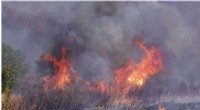
* Deforestation: Rainforests are being cleared for logging, agriculture, and development.
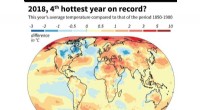
* Climate change: Climate change is causing the temperature and humidity in rainforests to increase, which is making it difficult for plants and animals to survive.
* Pollution: Pollution from factories, cars, and other sources is also harming rainforests.
These threats are causing rainforests to decline at an alarming rate. If we do not take action to protect rainforests, they will disappear forever.
There are a number of things that you can do to help rainforests:
* Reduce your consumption of paper products. Paper products are made from trees, so reducing your consumption of paper will help to reduce deforestation.
* Buy products that are made from recycled materials. Recycled materials help to reduce the demand for new materials, which can help to protect rainforests.
* Support organizations that are working to protect rainforests. There are a number of organizations that are working to protect rainforests. You can support these organizations by donating money or volunteering your time.
* Educate yourself and others about the importance of rainforests. The more people who know about the importance of rainforests, the more likely we are to be able to protect them.
By taking these actions, you can help to protect rainforests and ensure that they continue to thrive for generations to come.