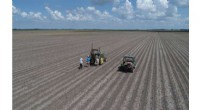
Drought is a particular threat to food security because it can reduce the yields of major food crops, such as maize, wheat, and rice. These crops are essential for feeding the world's population, and if their yields are reduced, it can lead to food shortages and price increases.
How to minimize the impact of droughts on important food crops
1. Drought-resistant varieties: One way to minimize the impact of drought on important food crops is to develop drought-resistant varieties. These varieties are better able to withstand drought conditions and produce higher yields even when water is scarce.
2. Water management: Another important strategy for minimizing the impact of drought on important food crops is to improve water management practices. This can include using irrigation to supplement rainfall, using mulches to reduce evaporation, and storing water in reservoirs for use during dry periods.
3. Early warning systems: Early warning systems can help farmers to prepare for droughts by providing them with information about when droughts are likely to occur. This information can help farmers to make decisions about when to plant their crops, what crops to plant, and how to manage their water resources.
4. Drought insurance: Drought insurance can help farmers to protect themselves from the financial losses that can be caused by droughts. Drought insurance can provide farmers with a payout when their crops are damaged by drought.
Conclusion
Drought is a major threat to food security, but there are a number of strategies that can be used to minimize its impact on important food crops. By developing drought-resistant varieties, improving water management practices, using early warning systems, and purchasing drought insurance, farmers can help to protect their crops and ensure that they are able to continue to produce enough food to feed the world's population.