Researcher's Name: Dr. Santiago Garcia
Introduction:
Climate change poses significant threats to global food security and sustainability. Understanding the potential impacts of climate change on crop production in vulnerable regions is essential for developing appropriate adaptation strategies. Dr. Santiago Garcia, a renowned researcher in the field of climate change and agriculture, conducted a simulation study to assess how climate change could affect crop production in the rural Andes.
Research Objectives:
The primary objectives of Dr. Garcia's research were:
1. To simulate the potential changes in temperature, precipitation, and water availability in the rural Andes under different climate change scenarios.
2. To evaluate the impact of these climate change-induced changes on crop yields and productivity in the region.
3. To identify vulnerable areas and crops that are particularly sensitive to climate change impacts.
Methodology:
Dr. Garcia employed a combination of climate modeling and crop simulation techniques to conduct his research. He used global climate models (GCMs) to generate future climate projections for the rural Andes region under different greenhouse gas emission scenarios. These projections were then downscaled to provide detailed information at local scales. The downscaled climate data was integrated into the Agricultural Production Systems Simulator (APSIM), a widely used crop modeling tool. APSIM was used to simulate crop growth, yield, and water requirements under various climate scenarios for major crops grown in the rural Andes.
Key Findings:
Dr. Garcia's simulation study yielded several important findings:
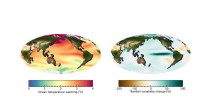
1. Temperature Increase: The simulations projected a substantial increase in temperature in the rural Andes. The temperature rise was more pronounced during the growing season, posing a significant threat to crop growth and development.
2. Changes in Precipitation: Precipitation patterns were projected to change considerably, with some areas experiencing increased rainfall while others faced decreased precipitation. The changes in precipitation directly affected water availability for irrigation and crop production.
3. Crop Yield Impacts: The simulation results indicated that climate change would have adverse effects on crop yields in the rural Andes. Several major crops, including potatoes, maize, and wheat, showed significant yield reductions under future climate scenarios.
4. Vulnerable Areas: The study identified specific areas within the rural Andes that were particularly vulnerable to climate change impacts. These areas were characterized by high dependence on rain-fed agriculture, limited irrigation infrastructure, and high poverty levels.
Adaptation Strategies:
Based on the simulation study's findings, Dr. Garcia proposed several adaptation strategies to mitigate the adverse impacts of climate change on crop production in the rural Andes:
1. Drought-Resistant Crop Varieties: Encourage the development and adoption of drought-resistant crop varieties to cope with reduced water availability.
2. Improved Irrigation Systems: Invest in and enhance irrigation infrastructure to increase water use efficiency and mitigate the effects of water scarcity.
3. Diversification of Agricultural Systems: Promote crop diversification to reduce dependence on vulnerable crops and improve resilience to climate change.
4. Capacity Building: Enhance the capacity of rural farmers through education, training, and access to climate information to support decision-making.
Conclusion:
Dr. Santiago Garcia's simulation study provided valuable insights into the potential impacts of climate change on crop production in the rural Andes. The research highlighted the urgent need for developing and implementing adaptation strategies to safeguard food security and sustainable livelihoods in this vulnerable region. The findings contribute to the global dialogue on climate change and agriculture, underscoring the importance of research-driven policymaking for resilient and sustainable agricultural systems.