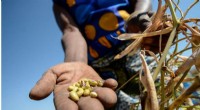
Amidst the ongoing fight against climate change, researchers are exploring innovative solutions to enhance future food security. One such strategy lies in the revival and cultivation of ancient or lesser-known crops. These crops, originating from diverse regions around the world, hold tremendous potential in mitigating the impacts of climate change and securing sustainable food production. Let's delve deeper into the benefits of ancient crops and their potential role in countering climate challenges.
1. Adaptability to Changing Environments:
Ancient crops, having evolved over time, possess inherent resilience and adaptability to various climatic conditions. They are equipped to thrive in nutrient-deficient soils, endure extreme temperatures, and withstand erratic weather patterns. These characteristics make them invaluable for regions facing climate-related challenges such as droughts, floods, and rising temperatures.
2. Biodiversity and Resilience:
The inclusion of ancient crops in farming practices enhances biodiversity within agricultural systems. Diverse crop cultivation improves soil health, reduces the risk of pest and disease outbreaks, and minimizes reliance on synthetic inputs. This ecological resilience boosts agricultural productivity and sustainability, ultimately contributing to the resilience of the entire food system.
3. Nutritional Powerhouse:
Many ancient crops are treasure troves of essential nutrients. For instance, amaranth, quinoa, and buckwheat provide superior protein content, while millet, sorghum, and fonio offer dietary fiber, antioxidants, and essential minerals. By incorporating these crops into diets, communities can combat malnutrition and improve overall health, especially in vulnerable regions facing food insecurity.
4. Reduced Water Dependency:
Certain ancient crops, such as millet, sorghum, and teff, have remarkable drought tolerance. These crops can thrive with minimal water requirements, making them ideal for arid and semi-arid regions grappling with water scarcity due to climate change. Their cultivation can alleviate the pressure on freshwater resources, enabling communities to allocate water resources for other crucial purposes.
5. Preservation of Traditional Knowledge:
The cultivation of ancient crops aids in the preservation of traditional knowledge and cultural heritage associated with these plants. Indigenous communities often hold valuable insights into sustainable agricultural practices, conservation methods, and the medicinal properties of ancient crops. By respecting and involving these communities, we can synergize modern science and traditional wisdom to create robust agricultural systems.
6. Diversification of Food Systems:
Incorporating ancient crops into global food systems promotes diversification and reduces the reliance on a few dominant commodity crops. This diversification enhances food security by offering alternatives and reducing vulnerabilities to market fluctuations and extreme weather events. It strengthens local food economies, fosters social equity, and safeguards agricultural practices.
In conclusion, ancient crops offer an array of benefits that can potentially mitigate the adverse effects of climate change on agriculture and food security. Their resilience, nutritional value, adaptability, and cultural significance make them pivotal components of sustainable and resilient agricultural systems. By prioritizing research, policy support, and farmer education related to ancient crops, we can harness their potential to safeguard the future of our food supply and mitigate the challenges posed by climate change.