1. Coastal Communities: Coastal areas worldwide face the common challenges of rising sea levels, coastal erosion, and increased storm surges. This affects fishing communities, coastal infrastructure, tourism-dependent economies, and cultural heritage.
2. Small Island Nations: Small island nations, particularly in the Pacific and Caribbean regions, experience intensified climate impacts due to their geographic vulnerability. These include extreme weather events, altered precipitation patterns, coral reef bleaching, and saltwater intrusion into freshwater sources, affecting their livelihoods, food security, and overall well-being.
3. Indigenous Communities: Indigenous peoples, who have traditionally held ecological knowledge and sustained harmonious relationships with their environment, face significant challenges. Climate change disrupts cultural practices, traditional livelihoods, access to traditional foods and medicines, and the protection of sacred sites.
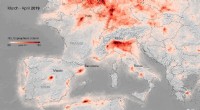
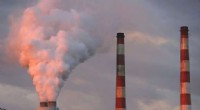
4. Urban Populations: Urban centers, regardless of geographic location, confront challenges related to heat stress, air pollution, increased demand for water resources, and urban flooding due to overwhelmed drainage systems. These impacts affect public health, infrastructure, and quality of life.
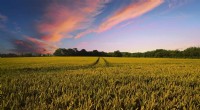
5. Agricultural Communities: Farmers and rural communities worldwide grapple with altered precipitation patterns, temperature fluctuations, increased pest infestations, and changing growing seasons. These challenges impact food security, livelihoods, and the stability of rural economies.
6. Glacier-Dependent Regions: Regions heavily dependent on glaciers for water resources, such as the Himalayas, the Andes, and the Alps, face reduced water availability, affecting drinking water, irrigation, hydropower generation, and downstream ecosystems.
7. Arctic Regions: The Arctic experiences amplified warming compared to the rest of the globe, resulting in rapidly melting ice sheets, permafrost degradation, and disruptions to ecosystems, affecting indigenous communities and wildlife habitats.
8. Drought-Prone Areas: Regions prone to droughts, such as parts of Africa, the Middle East, and Australia, face increased water scarcity, affecting agriculture, livestock, and the availability of drinking water for human and animal populations.
These shared experiences highlight the interconnectedness of climate change impacts and the need for collective action, resource sharing, and knowledge exchange among affected communities to build resilience and adapt to a changing climate.