1. Strategic Planning and Risk Assessment:
Conduct thorough risk assessments and identify areas where prescribed burns can be safely and effectively implemented. This involves considering factors such as weather conditions, fuel loads, topography, and proximity to sensitive ecosystems and communities.
2. Community Engagement and Education:
Actively engage with local communities, landowners, and stakeholders to build understanding and support for prescribed burns. Provide clear information about the benefits and potential risks of prescribed burns and address concerns.
3. Scientific Research and Collaboration:
Collaborate with scientists, land management agencies, Indigenous communities, and other experts to develop and implement effective prescribed burn protocols based on research and traditional knowledge.
4. Infrastructure and Resources:
Invest in resources and infrastructure to support prescribed burns, such as trained personnel, specialized equipment, and weather monitoring systems. Ensure that fire departments and emergency response teams are involved in the planning and execution of prescribed burns.
5. Long-Term Monitoring and Evaluation:
Establish a monitoring program to track the ecological and environmental effects of prescribed burns over time. Regularly evaluate the success and impact of prescribed burns to inform future management strategies.
6. Adaptability and Flexibility:
Recognize that prescribed burns may not be suitable or feasible in all areas due to various factors. Be prepared to adapt prescribed burn plans based on changing conditions, weather patterns, and lessons learned.
7. Coordinated Regional Approach:
Collaborate with neighboring states and counties to develop coordinated regional prescribed burn plans that address cross-boundary wildfire risks and improve overall fire management effectiveness.
8. Integration with Wildfire Mitigation Strategies:
Incorporate prescribed burns into a comprehensive wildfire mitigation strategy that includes vegetation management, fuel reduction, fire-resistant building codes, and community preparedness measures.
9. Funding and Resources:
Allocate adequate funding and resources to support prescribed burn programs over the long term, ensuring sustainability and effectiveness.
10. Public Awareness and Education:
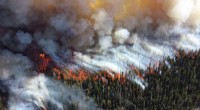
Implement public awareness campaigns to educate residents about the role of prescribed burns in wildfire prevention and ecological health. Foster understanding of how using fire can help reduce the risk of devastating wildfires.
By thoughtfully integrating prescribed burns into California's wildfire prevention efforts, the state can mitigate wildfire risks, enhance ecosystem resilience, and create safer and more sustainable communities.