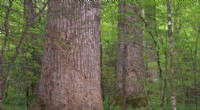
The researchers studied tree mortality in a tropical forest in Panama over a period of 20 years. They found that the rate of tree mortality increased during periods of drought, and that trees that were attacked by pests or diseases were more likely to die. The researchers also found that tree mortality was higher in areas where the forest was fragmented, which is consistent with the theory that fragmentation makes trees more vulnerable to drought and other stressors.
The findings of this study have important implications for the conservation of tropical forests. The researchers recommend that forest managers take steps to reduce the impact of drought, pests, and diseases on trees, such as by planting drought-resistant trees and controlling the spread of pests and diseases. The researchers also recommend that forest managers avoid fragmenting forests, as this can make trees more vulnerable to drought and other stressors.
"The decline of tropical forests is one of the biggest environmental crises of our time," said Dr. David Burslem, lead author of the study. "Our study has shed light on the causes of tree mortality in tropical forests, and this information can be used to help conserve these important ecosystems."