1. Reduced Carbon Emissions:
- Junk food production often involves extensive processing and transportation, leading to higher carbon emissions. By consuming less junk food, individuals can reduce their carbon footprint and overall greenhouse gas emissions.
2. Water Conservation:
- Producing junk food requires substantial water resources, especially for water-intensive ingredients such as beef and processed foods. Reducing junk food consumption helps conserve water and minimizes the strain on freshwater ecosystems.
3. Land Conservation:
- Junk food production often involves large-scale monoculture farming, contributing to deforestation and ecosystem degradation. By opting for more sustainable food choices, individuals can support farming practices that preserve natural habitats and biodiversity.
4. Less Food Waste:
- Junk food often has a shorter shelf life, leading to higher rates of food waste. Reducing junk food consumption can help reduce food waste, avoiding the environmental impacts associated with its production and disposal.
5. Healthier Dietary Choices:
- Consuming less junk food can positively impact personal health, potentially leading to reduced healthcare burdens and lower greenhouse gas emissions associated with treating obesity-related illnesses.
6. Reduced Packaging Waste:
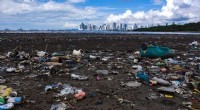
- Junk food packaging often involves non-biodegradable materials, such as plastics, contributing to the global plastic pollution problem. By opting for healthier alternatives with more sustainable packaging, individuals can minimize plastic waste and its environmental impact.
7. Support for Sustainable Food Systems:
- Shifting away from junk food encourages the demand for healthier and more sustainably produced food options. This supports farmers and food producers committed to environmentally friendly practices, contributing to a more resilient and sustainable food system.
8. Advocacy for Change:
- By actively choosing to reduce junk food consumption, individuals can raise awareness and advocate for systemic changes in food policies, agricultural practices, and consumer behavior. This collective effort can drive positive change towards a more environmentally friendly food industry.
In summary, cutting down on junk food can have significant positive effects on the environment by reducing emissions, conserving resources, minimizing waste, and promoting healthier and more sustainable food systems. Choosing healthier food options is not only beneficial for personal health but also for the well-being of the planet.