Challenges in Earthworm Conservation:
Species Identification: Earthworms exhibit remarkable diversity, but their identification can be challenging due to complex morphological characteristics and limited taxonomic expertise. This hinders the monitoring of population trends and accurate assessments of species vulnerability.
Lack of Baseline Data: Historical data on earthworm populations is scarce, making it difficult to establish baselines for comparison and assess long-term population changes. Without robust baseline data, conservation efforts are impeded, and the risk of species decline goes unnoticed.
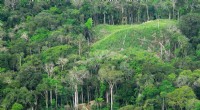
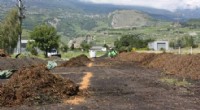
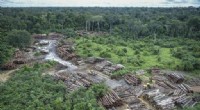
Habitat Loss and Fragmentation: Earthworms are sensitive to habitat alterations caused by human activities such as urbanization, agriculture expansion, and deforestation. However, the specific habitat requirements and responses of many earthworm species to these changes are poorly understood, hindering conservation planning.
Pollution and Toxicants: Earthworms readily absorb pollutants and toxic substances present in the soil, making them vulnerable to contamination from industrial activities, agricultural practices, and urban runoff. Understanding the tolerance and sensitivity of different earthworms to various pollutants is crucial for targeted conservation strategies.
Climate Change Impacts: Earthworm communities are influenced by climate factors such as temperature, moisture availability, and precipitation patterns. Climate change is expected to alter these conditions, potentially affecting earthworm distribution, abundance, and ecological interactions. However, our current understanding of the specific vulnerabilities of earthworm species to climate-related changes remains limited.
Overcoming the Challenges:
Conduct Comprehensive Surveys: Initiate systematic surveys to document earthworm diversity across various ecosystems and habitats. This will provide essential information for assessing species distribution, abundance, and conservation status.
Develop Identification Resources: Invest in resources and training programs to enhance the taxonomic expertise of researchers and conservationists. Field guides, molecular tools, and collaborations with taxonomists can facilitate accurate identification of earthworm species.
Establish Monitoring Programs: Implement long-term monitoring programs to track earthworm population dynamics and respond effectively to changes in abundance and distribution. Standardized sampling methods and regular monitoring are essential for detecting trends and informing conservation interventions.
Prioritize Research on Habitat Requirements: Conduct research to understand the specific habitat requirements of different earthworm species. Identify critical habitats, dispersal corridors, and landscape features that support earthworm populations.
Educate and Raise Awareness: Raise awareness among the general public, policymakers, and land managers about the ecological significance of earthworms. Educational programs can foster a greater appreciation for earthworm conservation and encourage sustainable practices.
By addressing these challenges and investing in research, conservation efforts can better incorporate earthworms into comprehensive conservation strategies. Protecting earthworms and their vital ecosystem functions will contribute to the overall health and resilience of terrestrial ecosystems.