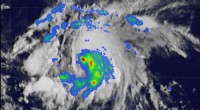
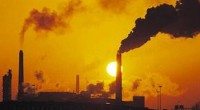
Climate change: Climate change is expected to have a significant impact on Washington state's forests. Rising temperatures, changes in precipitation patterns, and more frequent and severe wildfires are all expected to affect the health and productivity of forests.
Population growth: Washington state's population is growing rapidly, which is putting pressure on forests for development. This can lead to deforestation, habitat loss, and increased fragmentation of forest ecosystems.
Forest management: The way that forests are managed can have a significant impact on their future. Sustainable forest management practices can help to protect forests from the impacts of climate change, population growth, and other threats.
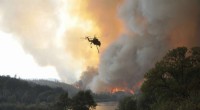
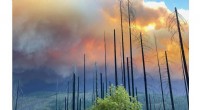
Wildfires: Wildfires are a natural part of many forest ecosystems in Washington state. However, climate change is expected to increase the frequency and severity of wildfires, which can damage or destroy forests.
Invasive species: Invasive species are non-native plants and animals that can outcompete native species for resources. Invasive species can also spread diseases and pests that can damage forests.
The future of Washington state's forests is uncertain, but there are a number of things that can be done to protect them. These include:
Reducing greenhouse gas emissions: Reducing greenhouse gas emissions can help to mitigate the effects of climate change on forests.
Protecting forests from development: Protecting forests from development can help to maintain forest ecosystems and provide habitat for wildlife.
Implementing sustainable forest management practices: Implementing sustainable forest management practices can help to ensure that forests are managed in a way that protects their health and productivity.
Fighting wildfires: Fighting wildfires can help to protect forests from damage or destruction.
Controlling invasive species: Controlling invasive species can help to protect forests from the impacts of these non-native plants and animals.
By taking these steps, we can help to ensure that Washington state's forests continue to provide a wide range of benefits for people and wildlife alike.
Endangered marbled murrelet seabird caught in fight
The marbled murrelet is a small seabird that nests in old-growth forests in Washington state and other parts of the Pacific Northwest. The marbled murrelet is listed as threatened under the Endangered Species Act, and its population is declining due to habitat loss, predation, and other factors.
The marbled murrelet has been caught in a fight between environmental groups and the timber industry. Environmental groups want to protect the marbled murrelet's habitat, while the timber industry wants to be able to log old-growth forests.
The fight over the marbled murrelet has been going on for decades. In 1992, the U.S. Fish and Wildlife Service listed the marbled murrelet as threatened. In 1994, the U.S. Forest Service adopted a plan to protect marbled murrelet habitat on federal lands in Washington state. However, the plan was challenged in court by the timber industry.
In 2006, the U.S. Supreme Court ruled in favor of the timber industry, striking down the Forest Service's plan. The Supreme Court's decision has made it more difficult to protect marbled murrelet habitat on federal lands.
The fight over the marbled murrelet is likely to continue for many years to come. The outcome of the fight will have a significant impact on the future of old-growth forests in Washington state and other parts of the Pacific Northwest.