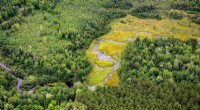
The first step to battling HABs is to be able to identify them. HABs typically appear as dense patches of algae on the surface of the water. The color of the algae can vary from green to brown to red. HABs can also produce a foul odor.
If you see a suspected HAB, it is important to report it to the local authorities. They will be able to investigate the bloom and take steps to mitigate its effects.
Preventing HABs
There are a number of things that can be done to prevent HABs from forming. These include:
* Reducing nutrient pollution. Nutrient pollution from fertilizers, sewage, and other sources can feed algae blooms. By reducing nutrient pollution, we can help to prevent HABs from forming.
* Protecting wetlands. Wetlands help to filter pollutants from water and provide a habitat for algae-eating organisms. Protecting wetlands can help to reduce nutrient pollution and prevent HABs from forming.
* Educating the public. It is important to educate the public about HABs so that they can be aware of the risks and take steps to prevent them.
Managing HABs
Once a HAB has formed, there are a number of ways to manage it. These include:
* Mechanical removal. Mechanical removal involves using equipment to physically remove the algae from the water. This is a temporary solution, as the algae can quickly return if the underlying causes of the bloom are not addressed.
* Chemical treatment. Chemical treatment involves using chemicals to kill the algae. This is a more effective solution than mechanical removal, but it can also have negative impacts on the environment.
* Biological control. Biological control involves using organisms that eat algae to control the bloom. This is a sustainable solution, but it can be difficult to find organisms that are effective at controlling HABs.
The challenges of battling HABs
Battling HABs is a complex and challenging task. There is no single solution that will work in all cases. The best approach is to use a combination of prevention, management, and education to reduce the risks associated with HABs.
Here are some of the challenges associated with battling HABs:
* The blooms are often difficult to predict. HABs can form quickly and unexpectedly. This makes it difficult to take preventative measures.
* The blooms can be harmful to human health and the environment. HABs can produce toxins that can cause illness in humans and animals. They can also damage fish populations and other aquatic life.
* The blooms can be difficult to control. There is no single solution that will work in all cases. The best approach is to use a combination of prevention, management, and education to reduce the risks associated with HABs.
Despite the challenges, battling HABs is an important task. HABs can have a significant impact on human health and the environment. By working together, we can reduce the risks associated with HABs and protect our water resources.