1. Warming Climate: The average global temperature has increased by 1 degree Celsius since the late 19th century, which is primarily caused by human activities that release greenhouse gases into the atmosphere. This increase in temperature has led to a change in precipitation patterns and winter weather conditions in the Northeast US.
2. Warming Winters: The Northeast has experienced warmer winters in recent decades. The average winter temperature has increased by about 2.2 degrees Celsius since the 1970s. Warmer winters mean less frequent snowfall and more rainfall, resulting in reduced snowpack.
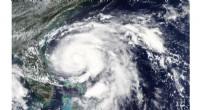
3. Atlantic Ocean Temperatures: The temperature of the Atlantic Ocean has also been rising due to climate change. Warmer ocean temperatures contribute to the formation of stronger and more frequent storms, which bring heavy rain and less snow to the Northeast.
4. Storm Tracks and Jet Stream: The position of the jet stream and the path of winter storms have changed due to climate change. The jet stream is a band of high-altitude winds that influences the path of weather systems. In recent years, the jet stream has shifted northward and become wavier, resulting in more frequent storms tracking farther north and bringing rain instead of snow to the Northeast.
5. Urbanization: The growth of urban areas in the Northeast has also contributed to snow droughts. Urban areas tend to be warmer than rural areas due to the presence of buildings and paved surfaces that absorb and retain heat. This urban heat island effect reduces snowfall in cities and their surrounding areas.
6. Natural Variability: The climate system is inherently variable and experiences periods of above-average and below-average snowfall. Snow droughts can also occur due to natural fluctuations in atmospheric circulation patterns and weather conditions. However, climate change exacerbates these natural variations and makes snow droughts more frequent and severe.