1. Fuel Characteristics: Boreal forests are often characterized by high fuel loads, consisting of dead trees, fallen branches, and accumulated organic matter on the forest floor. This abundant fuel can contribute to the rapid spread and intensity of wildfires. The high resin content in coniferous trees also makes them more flammable, releasing large amounts of heat and embers that can ignite spot fires and spread the fire over long distances.
2. Weather Conditions: Boreal forests experience unique weather conditions that can influence wildfire behavior. During summer months, these regions can have long periods of warm, dry weather, which can result in drought conditions. The lack of moisture in the vegetation and forest floor makes the fuel more receptive to ignition and increases the risk of large-scale wildfires. Additionally, strong winds that are common in boreal regions can fan the flames and spread the fire quickly.
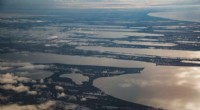
3. Topography: The topography of boreal forests can also play a role in wildfire behavior. Many of these regions have relatively flat terrain, which allows the fire to spread rapidly with fewer barriers. The presence of rivers and lakes can help contain the fire, but if the fire crosses these water bodies, it can continue to spread unhindered. Steep slopes and rugged terrain, on the other hand, can create challenges for firefighters and make it more difficult to control the spread of the fire.
4. Fire History: The fire history of a particular boreal forest can influence the behavior of subsequent wildfires. Areas that have experienced frequent fires in the past may have reduced fuel loads due to the consumption of dead trees and organic matter. This can result in lower-intensity fires that are easier to manage. Conversely, areas that have not burned for an extended period may have high fuel accumulations, increasing the risk of severe wildfires.
Overall, wildfires in boreal forests can behave differently due to the abundance of flammable fuel, favorable weather conditions, topography, and fire history. Understanding these factors is crucial for effective wildfire management and preparedness in boreal regions.