1. Temperature Changes: Rising temperatures can disrupt plant growth and development. Warmer nights, for instance, can interfere with the chilling requirement of some plants, affecting flowering and fruit production. Extreme heat events, such as heatwaves, can cause heat stress, leading to wilting, scorching, and even death in susceptible species.
2. Drought and Water Stress: Climate change often leads to altered precipitation patterns, resulting in periods of drought or reduced water availability. Drought stress causes plants to experience water shortages, affecting their metabolism, photosynthesis, and growth. Water stress can lead to reduced productivity, wilting, and premature leaf drop.
3. Heavy Rainfall and Flooding: Increased precipitation intensity due to climate change can lead to heavy rainfall and flooding events. Flooding can inundate plants, restrict oxygen availability, and cause root damage, ultimately leading to reduced growth, disease susceptibility, and even plant death.
4. Changes in Light Availability: Alterations in cloud cover and atmospheric conditions can affect the amount and quality of light available for plants. Reduced light levels can hinder photosynthesis, impacting plant growth and biomass accumulation.
5. Elevated Atmospheric CO2: Increasing carbon dioxide levels in the atmosphere can have direct physiological effects on plants. While elevated CO2 can stimulate photosynthesis and biomass production in some species, it can also lead to changes in plant nutrient balance and water use efficiency. High CO2 levels can also influence plant-pest interactions and disease dynamics.
6. Ozone Stress: Climate change is expected to increase ozone concentrations in the troposphere. Ozone is a phytotoxic air pollutant that can cause damage to plant tissues, leading to reduced growth, chlorosis (yellowing of leaves), and premature senescence.
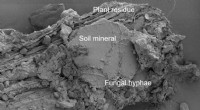
7. Changes in Soil Conditions: Climate change can alter soil temperature, moisture content, and nutrient availability. These changes can impact root growth, nutrient uptake, and soil microbial communities, affecting overall plant health and growth.
8. Phenological Shifts: Climate change has caused shifts in the timing of plant life cycle events, such as flowering, fruiting, and leaf senescence. These shifts can disrupt the synchronization between plants and their pollinators or symbiotic organisms, affecting reproductive success and ecological interactions.
9. Increased Pests and Diseases: Altered climatic conditions can favor the spread and proliferation of certain pests and diseases. Warmer temperatures, for example, can increase the survival and reproductive rates of pests, while changes in precipitation patterns can affect disease dispersal. This can lead to increased pest and disease pressure on plants, causing significant damage to crops and ecosystems.
10. Habitat Disruption: Climate change can lead to changes in the composition and distribution of plant communities, disrupting ecosystems and plant habitats. This can affect the availability of suitable resources, interactions with other species, and overall plant fitness.
The combined effects of these stressors on plants can lead to reduced growth, altered phenology, decreased crop yields, increased vulnerability to pests and diseases, and even the loss of sensitive species and ecosystems. Understanding the specific responses of different plant species and ecosystems to climate change is crucial for developing effective adaptation and conservation strategies.