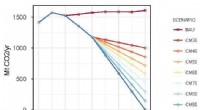
- Increased Atmospheric Carbon Dioxide (CO2) Concentration: Elevated CO2 levels affect soil by stimulating plant growth and photosynthesis, leading to increased production of organic matter. While this may seem beneficial, it can alter soil carbon dynamics and nutrient cycling in some ecosystems.
- Elevated Global Temperatures: Rising temperatures affect soil by increasing the rate of organic matter decomposition. This process releases essential nutrients into the soil but can also result in soil nutrient depletion. Higher temperatures also affect soil moisture, potentially leading to soil drying and increased water repellency in some regions.
- Altered Precipitation Patterns: Changes in the intensity, frequency, and timing of precipitation significantly impact soil. Increased rainfall intensity can lead to soil erosion, nutrient leaching, and reduced oxygen availability for soil organisms. Moreover, drier conditions may exacerbate salinization in vulnerable regions and contribute to soil moisture deficits.
- Reduced Snow Cover: Changes in seasonal snow cover duration and melting rates influence soil processes in cold regions. Decreased snow cover exposes soil to lower temperatures, freezing, and desiccation, impacting soil microbial activity and nutrient cycling. It can also result in increased soil erosion during spring runoff.
- Changes in Relative Humidity: Shifts in humidity levels impact soil moisture dynamics. Lower humidity can cause rapid soil drying, affecting soil structure, biological activity, and nutrient availability. Conversely, higher humidity may favor anaerobic conditions in poorly drained soils.
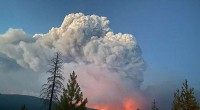
- Increased Frequency of Extreme Weather Events: More frequent extreme events, such as droughts, floods, heatwaves, and wildfires, have profound impacts on soil. Prolonged droughts can lead to soil moisture depletion, reduced plant growth, and increased susceptibility to wind erosion. Floods, on the other hand, can cause soil displacement, nutrient loss, and salinization. Heatwaves and wildfires can directly alter soil properties by inducing changes in moisture, nutrient content, and microbial communities.
The combined effects of these climate change factors on soil have implications for ecosystem functioning, agricultural productivity, soil quality, and overall environmental health. Understanding these complex interactions is critical for developing appropriate adaptation and mitigation strategies in the face of a changing climate.