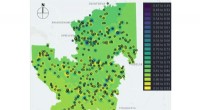
Urban heat islands are areas where the temperature is significantly higher than the surrounding rural areas. This phenomenon is caused by a combination of factors, including the presence of buildings, roads, and other infrastructure that absorb and emit heat, as well as the lack of vegetation that can help to cool the air.
Urban heat islands can have a number of negative impacts on human health and well-being, including increased heat-related illnesses, air pollution, and energy consumption. They can also contribute to climate change by trapping heat in the atmosphere.
Trees and urban heat islands
Trees can play an important role in mitigating the effects of urban heat islands. They provide shade, which can help to cool the air, and they release moisture into the atmosphere, which can help to cool the air and reduce air pollution. Trees can also help to improve air quality by absorbing pollutants.
In addition, trees can help to reduce energy consumption by providing shade and cooling buildings, which can reduce the need for air conditioning.
Trees of the future?
The role that trees can play in mitigating the effects of urban heat islands suggests that trees may be an important part of the cities of the future. As cities continue to grow and develop, it will be important to find ways to incorporate more trees into the urban environment. This can be done by planting trees in parks, along streets, and in other public spaces. It can also be done by encouraging private landowners to plant trees on their property.
By incorporating more trees into our cities, we can help to create healthier and more sustainable communities.
Here are some specific examples of how trees can be used to mitigate the effects of urban heat islands:
* Planting trees in parks and along streets: Trees can provide shade for pedestrians and cyclists, which can help to make walking and biking more comfortable and safe.
* Planting trees around buildings: Trees can help to shade buildings, which can reduce the need for air conditioning and save energy.
* Planting trees in vacant lots and other underused spaces: Trees can help to turn vacant lots and other underused spaces into green oases that can provide a variety of benefits, including shade, cooling, and air pollution reduction.
By planting trees in these and other locations, we can help to create healthier and more sustainable cities.