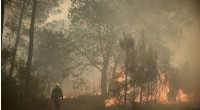
One of the homes that was lost in the fire belonged to Scott Stephens, a professor of fire science at the University of California, Berkeley. Stephens had spent his career studying how to make landscapes more fire resilient, and he was devastated to see his own home go up in flames.
"It was a very personal experience for me," Stephens says. "I had always thought that if there was a fire, my house would be one of the ones that would survive. But it didn't."
Stephens's experience is a reminder that even the best-laid plans can be undone by a wildfire. But it's also a reminder that there are things that can be done to make homes and landscapes more fire resilient.
Here are some of the things that Stephens recommends:
* Create a defensible space around your home. This means removing flammable materials from around your home, such as trees, shrubs, and leaves. You should also make sure that your roof and gutters are clear of debris.
* Install fire-resistant siding and roofing. Fire-resistant materials can help to slow the spread of fire and give you more time to evacuate.
* Have a fire plan in place. Know what you will do if a fire starts and how you will evacuate. Make sure to practice your fire plan regularly.
* Be aware of the fire risk in your area. Stay informed about the current fire danger and be prepared to evacuate if necessary.
By following these tips, you can help to reduce your risk of wildfire damage. But it's important to remember that there is no such thing as a completely fireproof home. The best you can do is to make your home and landscape as fire resilient as possible.