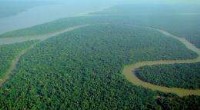
The study's findings are based on data collected from over 200 forest plots across Madagascar. The researchers found that the amount of carbon stored in the forests has decreased by an average of 10% since the 1990s. This decline is expected to continue in the future, as climate change is projected to make Madagascar's forests even drier and more vulnerable to deforestation.
The loss of Madagascar's forests is a serious threat to the island's biodiversity. The forests are home to a wide variety of plant and animal species, many of which are found nowhere else in the world. The loss of these forests could lead to the extinction of many of these species.
In addition to its impact on biodiversity, the loss of Madagascar's forests is also a threat to the island's economy. The forests provide a variety of ecosystem services, such as regulating water flow, protecting against soil erosion, and providing a source of food and shelter for local communities. The loss of these services could have a devastating impact on the livelihoods of people living in Madagascar.
The study's findings underscore the urgent need to take action to address climate change and protect Madagascar's forests. This could include reducing greenhouse gas emissions, investing in forest conservation, and supporting sustainable development practices. By taking these steps, we can help to ensure that Madagascar's forests continue to provide their vital ecosystem services for generations to come.