1. Agriculture: The expansion of agricultural land is one of the biggest causes of deforestation in Ghana. As the demand for food and cash crops increases, more forest areas are cleared for farming, including the cultivation of cocoa, oil palm, and timber plantations. Small-scale subsistence farming and shifting cultivation also contribute to forest loss.
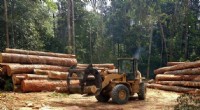
2. Logging: Ghana's timber industry is another significant contributor to deforestation. The country is rich in valuable hardwood species, which are logged and exported for use in furniture, flooring, and other wood products. Unsustainable logging practices, including illegal logging, have led to widespread forest degradation and depletion.
3. Mining: Mining activities, particularly for gold and diamonds, have caused extensive deforestation in Ghana. These activities require large areas of land to be cleared for mining operations, resulting in the destruction of natural habitats and forests. Artisanal and small-scale mining, often carried out illegally, further aggravates the problem.
4. Urbanization: The rapid growth of urban areas in Ghana has also contributed to deforestation. As cities expand, forest areas are converted into residential and commercial developments, roads, and other infrastructure projects. Urban expansion often encroaches on surrounding forests, leading to fragmentation and loss of habitat.
5. Weak Law Enforcement and Governance: The effectiveness of efforts to combat deforestation is hampered by weak law enforcement and governance. Corruption and lack of political will to enforce environmental regulations contribute to the persistence of illegal logging and other unsustainable practices. Inadequate resources and capacity within the forestry sector further limit the government's ability to effectively monitor and control forest loss.
Despite the government's implementation of various policies and strategies, attempts to stop deforestation in Ghana have faced numerous challenges:
1. Limited Enforcement Capacity: The Forestry Commission of Ghana, responsible for managing and protecting forests, faces challenges in effectively enforcing forestry regulations due to insufficient personnel, funding, and resources. This hinders the ability to monitor and prosecute illegal activities, leading to continued deforestation.
2. Economic Pressures: Ghana's economy heavily relies on agriculture, mining, and timber exports, making it difficult to strike a balance between economic growth and environmental conservation. The dependence on these industries creates pressure to exploit natural resources, including forests, for short-term economic gains.
3. Land Tenure Issues: Complex and often unclear land tenure systems in Ghana contribute to deforestation. Insecure land rights and conflicts over land ownership discourage sustainable forest management practices, as individuals and communities may lack incentives to invest in long-term forest conservation efforts.
4. Limited Alternative Livelihoods: For many rural communities in Ghana, forest resources provide essential sources of livelihood, such as timber, firewood, and non-timber forest products. The lack of viable alternative livelihoods makes it challenging to reduce dependence on forest resources and transition to more sustainable practices.
5. Limited Public Awareness: Raising public awareness about the importance of forest conservation and sustainable land use practices is crucial, but efforts in this area have been inadequate. Many individuals and communities may still lack sufficient understanding of the long-term consequences of deforestation.
Addressing deforestation in Ghana requires a comprehensive and multi-faceted approach that includes strengthened law enforcement, economic incentives for sustainable practices, clarification of land tenure issues, support for alternative livelihoods, and increased public awareness. By tackling the underlying causes of deforestation and involving all relevant stakeholders, Ghana can work towards reversing the trend of forest loss and ensuring the sustainable management of its natural resources.