Key findings:
- Bipedal Locomotion: Australopithecus sediba exhibited a bipedal walking style, similar to modern humans. The study analyzed the structure of the pelvis, leg bones, and feet, revealing adaptations that allowed for efficient upright walking.
- Foot Mobility: The feet of Australopithecus sediba showed features that indicate a flexible and mobile foot, capable of grasping branches and supporting the body during climbing. This suggests a combination of bipedal walking and arboreal behaviors.
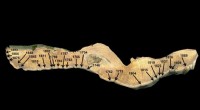
- Jaw and Teeth: The researchers examined the jaws and teeth of Australopithecus sediba, finding that they shared similarities with both earlier hominins and later human species. The teeth showed adaptations for both tough, plant-based foods and softer foods, suggesting a varied diet.
- Mandibular Mobility: The structure of the mandible (lower jaw) indicated that Australopithecus sediba had a wider range of jaw motion compared to earlier hominins. This improved chewing efficiency and the processing of different types of foods.
- Evolutionary Implications: The study suggests that Australopithecus sediba represents a transitional stage in the evolution of hominin locomotion and behavior. It provides evidence of the gradual shift from a more tree-dwelling lifestyle to a more terrestrial, bipedal one.
Significance:
The findings from the study contribute to our understanding of hominin evolution and the emergence of modern human traits. Australopithecus sediba exemplifies the dynamic nature of human ancestry, showcasing the intricate adaptations that shaped the evolution of walking, chewing, and other crucial aspects of human behavior.