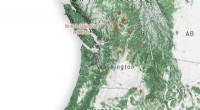
Despite these threats, there are some positive signs that forests are starting to recover. This is due in part to a growing awareness of the importance of forests and a concerted effort by conservationists and governments to protect them.
One of the most significant changes in forests is the increase in tree cover. This is due in part to reforestation efforts, as well as the natural regeneration of forests. The increase in tree cover is helping to improve air quality, reduce soil erosion, and provide habitat for wildlife.
Another positive change in forests is the increase in biodiversity. This is due in part to the fact that forests are being managed more sustainably. Sustainable forest management practices include selective logging, which allows for the regeneration of forests, and the protection of old-growth forests, which are home to a wide variety of plant and animal species.
The recovery of forests is a positive sign for the health of our planet. However, there is still much work to be done to protect forests from the threats they face. By working together, we can ensure that forests continue to provide us with the many benefits they offer.
Here are some specific examples of how forests are changing and what it means for the planet:
* Deforestation: The rate of deforestation has slowed down significantly in recent years, thanks in part to conservation efforts and the increasing value of forest products. This is good news, as deforestation is a major contributor to climate change and biodiversity loss.
* Climate change: Climate change is having a negative impact on forests, causing them to become drier and more vulnerable to wildfires. Wildfires can release large amounts of carbon dioxide into the atmosphere, contributing to climate change.
* Pollution: Air pollution and water pollution can damage forests, making them less resilient to other threats. Air pollution can cause leaves to fall off trees, and water pollution can damage the roots of trees.
* Invasive species: Invasive species are non-native plants and animals that can outcompete native species for resources. Invasive species can also spread diseases to native plants and animals.
Despite these threats, forests are still a vital part of our planet. They provide us with oxygen, food, and shelter. They also help to regulate the climate and protect biodiversity. By working together, we can protect forests and ensure that they continue to provide us with these benefits.