Lead author: Zachary P. Trugman, University of Arizona Tree-Ring Lab and USGS Western Ecological Research Center
Publication date: September 12, 2022
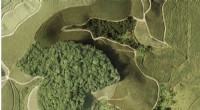
Summary: A new study finds that forest thinning could significantly increase snowpack in the Sierra Nevada mountains of California. The study, published in the journal Nature Geoscience, used a combination of field data, satellite imagery, and computer modeling to show that thinning forests can increase snowpack by up to 20%.
The researchers found that thinning forests allows more snow to reach the ground by reducing the amount of snow that is intercepted by trees. Snow that reaches the ground is less likely to melt because the ground is cooler than the trees. In addition, thinning forests allows snow to accumulate more evenly on the landscape, which helps to prevent flooding and droughts.
The study's findings have important implications for water management in the Sierra Nevada, which is a critical source of water for California. Forest thinning could be a cost-effective way to increase water supplies in the region and help to mitigate the impacts of climate change.
Key findings:
* Forest thinning can increase snowpack in the Sierra Nevada by up to 20%.
* Thinning forests allows more snow to reach the ground by reducing the amount of snow that is intercepted by trees.
* Snow that reaches the ground is less likely to melt because the ground is cooler than the trees.
* Thinning forests allows snow to accumulate more evenly on the landscape, which helps to prevent flooding and droughts.
Implications:
* The study's findings have important implications for water management in the Sierra Nevada, which is a critical source of water for California.
* Forest thinning could be a cost-effective way to increase water supplies in the region and help to mitigate the impacts of climate change.