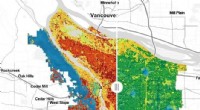
Albedo Effect: Turf grass has a relatively high albedo, meaning it reflects a significant portion of the sunlight that hits it. Replacing turf grass with other materials, such as concrete or asphalt, can decrease the albedo of an area and lead to increased absorption of solar radiation, resulting in higher surface temperatures.
Evaporation and Transpiration: Turf grass releases moisture through evaporation and transpiration, contributing to the cooling of the surrounding environment. Removing turf grass reduces this cooling effect, potentially increasing the local air temperature.
Thermal Mass: Different materials have different thermal properties. Concrete, for example, has a higher thermal mass than turf grass, meaning it absorbs and retains more heat. Replacing turf grass with concrete or other high-thermal-mass materials can contribute to higher temperatures during the day but can also release heat at night, affecting the overall temperature patterns.
Shading and Canopy Cover: Turf grass provides shading and canopy cover, helping to mitigate urban heat by blocking direct sunlight from reaching the ground. Removing turf grass can reduce this shading effect, leading to higher surface temperatures.
Urban Design and Planning: The layout and design of an urban area can significantly influence urban heat. Factors such as building density, street orientation, and the presence of green spaces all contribute to the overall heat balance. Removing turf grass without considering these factors can potentially exacerbate urban heat.
To minimize the potential increase in urban heat when removing turf grass, it's important to adopt sustainable landscaping practices, such as:
- Choosing appropriate replacement materials: Opt for materials with high solar reflectivity (light-colored surfaces) to minimize heat absorption.
- Planting trees and vegetation: Incorporate trees and other plants to provide shade and evapotranspiration, helping to cool the surrounding environment.
- Using permeable surfaces: Install permeable pavements or gravels that allow water infiltration, reducing surface runoff and promoting cooling.
- Conserving moisture: Implement water-efficient irrigation systems to maintain soil moisture levels and enhance evaporative cooling.
- Considering urban design principles: Integrate urban design strategies that promote airflow and reduce heat trapping, such as creating open spaces and green corridors.
By carefully considering these factors and incorporating sustainable landscaping practices, it's possible to minimize the potential negative effects of removing turf grass while still conserving water and promoting a sustainable urban environment.