Shawnee National Forest, located in southern Illinois, is facing a growing challenge from climate change and wildfires. The changing climate is leading to longer, hotter, and drier summers, which are creating ideal conditions for wildfires. In recent years, several large wildfires have swept through the forest, destroying thousands of acres of trees and damaging wildlife habitat.
In response to this growing threat, the U.S. Forest Service is proposing a new plan to manage the forest in a way that reduces the risk of wildfires and protects trees. The plan calls for a variety of measures, including thinning forests, removing dead trees, and creating fire breaks.
However, the plan has also sparked controversy among some environmental groups, who argue that it will harm the forest ecosystem. They argue that thinning forests will reduce habitat for wildlife, and that removing dead trees will prevent them from decomposing and returning nutrients to the soil.
The debate over how to best protect Shawnee National Forest is a complex one, and there is no easy answer. The Forest Service must weigh the risks of wildfires against the potential harm to the forest ecosystem. The decisions that are made will have a lasting impact on the forest and the people who rely on it.
The Challenge of Climate Change and Wildfires
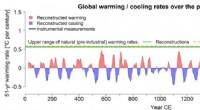
Climate change is making Shawnee National Forest more vulnerable to wildfires. The average temperature in the forest has increased by 2 degrees Fahrenheit over the past century, and this warming trend is expected to continue. Warmer temperatures are leading to longer, hotter, and drier summers, which are ideal conditions for wildfires.
In addition, climate change is causing the forest to become more stressed. Trees are less able to withstand the heat and drought, and they are more susceptible to pests and diseases. These factors all contribute to the risk of wildfires.
In recent years, several large wildfires have swept through Shawnee National Forest. In 2017, the Ferne Clyffe Fire burned over 7,000 acres of the forest. In 2021, the Bald Knob Fire burned over 7,000 acres. These fires have destroyed thousands of trees, damaged wildlife habitat, and cost millions of dollars to fight.
The Debate Over How to Protect the Forest
The U.S. Forest Service is proposing a new plan to manage Shawnee National Forest in a way that reduces the risk of wildfires and protects trees. The plan calls for a variety of measures, including:
* Thinning forests: This involves removing some trees to reduce the density of the forest. This can help to reduce the amount of fuel available for wildfires, and it can also make it easier for firefighters to access and fight fires.
* Removing dead trees: Dead trees can easily catch fire and spread flames. Removing dead trees can help to reduce the risk of wildfires.
* Creating fire breaks: Fire breaks are clear areas of land that can help to stop the spread of wildfires. The Forest Service plans to create fire breaks around homes and businesses in the forest.
However, the plan has also sparked controversy among some environmental groups. They argue that thinning forests will reduce habitat for wildlife, and that removing dead trees will prevent them from decomposing and returning nutrients to the soil.
The environmental groups also argue that the Forest Service should focus on other ways to reduce the risk of wildfires, such as educating the public about fire safety and enforcing laws against arson.
The Way Forward
The debate over how to best protect Shawnee National Forest is a complex one, and there is no easy answer. The Forest Service must weigh the risks of wildfires against the potential harm to the forest ecosystem. The decisions that are made will have a lasting impact on the forest and the people who rely on it.
One possible way to resolve the debate is to use a combination of approaches. The Forest Service could thin forests and remove dead trees in some areas, while leaving other areas untouched. This would help to reduce the risk of wildfires without harming the entire forest ecosystem.
The Forest Service could also work with environmental groups to develop an education campaign about fire safety. This would help to inform the public about the risks of wildfires and the