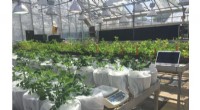
Photosynthesis and Carbon Fixation
Plants acquire carbon through the process of photosynthesis. During photosynthesis, plants use sunlight to convert carbon dioxide (CO2) from the atmosphere into glucose, which serves as a source of energy. This process also releases oxygen as a byproduct. The rate of photosynthesis and the amount of carbon fixed by plants are influenced by various environmental factors, including temperature, light intensity, and the availability of water and nutrients.
Increased Carbon Dioxide Levels
One of the primary effects of climate change is the rise in atmospheric carbon dioxide concentrations. While elevated CO2 levels can stimulate photosynthesis and enhance plant growth, this response can vary across different plant species and ecosystems. Some plants may benefit from increased carbon dioxide, showing increased growth and biomass accumulation. However, the response of plants to higher CO2 levels can be complex and may depend on other environmental factors.
Water-Use Efficiency and Drought Tolerance
Plants use water during photosynthesis to transport nutrients and facilitate biochemical processes. Increased carbon dioxide concentrations can improve plants' water-use efficiency by reducing the amount of water lost through transpiration. This allows plants to better withstand drought conditions, which are becoming more frequent and severe due to climate change. Plants that are more water-use efficient can maintain growth and productivity even under limited water availability.
Temperature and Heat Stress
Climate change also brings about shifts in temperature patterns, including an increase in the frequency and intensity of heatwaves. High temperatures can stress plants and affect their physiological processes, including photosynthesis. Some plants may tolerate or adapt to higher temperatures, while others may experience reduced growth, heat damage, and even mortality. Plants with traits that confer heat tolerance, such as efficient cooling mechanisms or heat-resistant proteins, are more likely to thrive in warmer environments.
Changes in Plant Distribution and Phenology
Altered carbon dynamics and changing environmental conditions can influence the distribution and phenology (timing of life cycle events) of plants. Some plant species may expand their ranges into new areas as the climate becomes more favorable, while others may decline or disappear from their current habitats. Changes in plant phenology, such as earlier flowering or fruiting, can disrupt ecological interactions, including pollination and seed dispersal, and can have cascading effects on entire ecosystems.
Implications for Climate Change Mitigation and Adaptation
Understanding how plants use carbon and respond to climate change is crucial for developing effective strategies to mitigate and adapt to the impacts of climate change. By selecting and cultivating plant species that are well-adapted to changing conditions and that can efficiently utilize carbon, we can enhance the resilience of ecosystems and support sustainable agriculture. Additionally, conserving and restoring natural ecosystems can help maintain biodiversity, carbon sinks, and other essential ecosystem services.