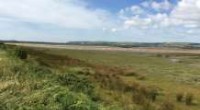
The researchers are using a variety of methods to measure the flux of carbon dioxide between the atmosphere and the grassland. These methods include eddy covariance towers, which measure the exchange of carbon dioxide, water vapor, and energy between the surface and the atmosphere; soil respiration chambers, which measure the release of carbon dioxide from the soil; and plant growth chambers, which measure the uptake of carbon dioxide by plants.
The researchers are also conducting a series of experiments to manipulate the temperature of the grassland. This will allow them to see how warming affects the carbon cycle in the grassland. The experiments are being conducted using a variety of techniques, including infrared heaters, shade cloths, and water sprinklers.
The results of this study will help us to better understand how climate change is affecting the carbon cycle in subarctic grasslands. This information is important because subarctic grasslands are a major source of carbon dioxide to the atmosphere. Changes in the carbon cycle in these grasslands could have a significant impact on the global climate.
In addition to the research team from the University of Alaska Fairbanks, the project is also being supported by the National Science Foundation and the U.S. Department of Energy.