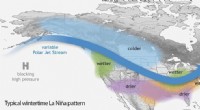
Climate change: Changes in atmospheric circulation patterns, such as the weakening of the winter monsoon and changes in precipitation patterns, have affected dust generation and transport.
Land use changes: Increased vegetation cover due to afforestation and land reclamation, particularly in northern China and Mongolia, has reduced the availability of dust source material.
Desertification control measures: Governments in affected regions have implemented various measures to combat desertification, such as planting vegetation and constructing sand barriers, which help stabilize the soil and reduce dust emissions.
Changes in agricultural practices: Modern agricultural techniques, including conservation tillage and drip irrigation, have reduced the amount of exposed soil, leading to lower dust emissions.
Air pollution control: Stricter air pollution regulations and the adoption of cleaner energy sources have reduced the amount of anthropogenic emissions, including dust particles, in the atmosphere.
Economic development: Industrialization and urbanization have led to improved living standards and increased wealth in East Asia, resulting in a shift away from traditional agricultural practices that contribute to dust generation.