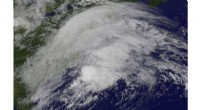
Subtropical storms have wind speeds of less than 74 miles per hour (119 kilometers per hour), and they do not have the well-defined eye that is characteristic of tropical cyclones. However, they do have a warm core and a low-pressure center, and they can produce heavy rainfall and strong winds.
Subtropical storms are different from tropical cyclones in that they do not form over warm ocean waters, and they do not have the same intensity. They are also different from extratropical cyclones in that they do not have a cold front associated with them.
Subtropical storms can be dangerous, and they can cause damage to property and infrastructure. They can also lead to flooding and landslides, and they can disrupt travel and commerce.