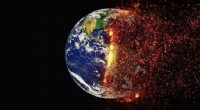
Climate change is a major threat to education, with the potential to disrupt schooling, damage educational infrastructure, and exacerbate existing inequalities.
* School closures: Climate change can lead to more frequent and severe weather events, such as floods, droughts, and wildfires, which can force schools to close. In the United States, for example, extreme weather events caused schools to close for an average of 10 days per year between 2010 and 2019.
* Damage to educational infrastructure: Climate change can also damage educational infrastructure, such as schools, libraries, and laboratories. In 2017, for example, Hurricane Harvey caused an estimated $1 billion in damage to schools in Texas.
* Exacerbation of existing inequalities: Climate change is also likely to exacerbate existing inequalities in education. For example, students from low-income families are more likely to live in areas that are vulnerable to climate change, and they are less likely to have access to resources that can help them cope with the impacts of climate change.
Here are some specific ways that climate change can threaten education:
* Increased flooding: Flooding can damage schools and disrupt transportation, making it difficult for students to get to school. In some cases, flooding can also lead to the closure of schools.
* More extreme heat: Extreme heat can make it difficult for students to concentrate and learn. In some cases, extreme heat can also lead to the closure of schools.
* Droughts: Droughts can lead to water shortages, which can make it difficult for schools to operate. Droughts can also damage crops, which can lead to food shortages and malnutrition, which can in turn affect students' ability to learn.
* Wildfires: Wildfires can damage schools and disrupt transportation, making it difficult for students to get to school. Wildfires can also release toxic chemicals into the air, which can harm students' health.
Climate change is a serious threat to education, and it is important to take steps to mitigate its impacts. Some things that can be done to mitigate the impacts of climate change on education include:
* Building more resilient schools: Schools can be built to withstand extreme weather events, such as floods, droughts, and wildfires.
* Investing in early childhood education: Early childhood education can help children develop the skills they need to cope with the impacts of climate change.
* Providing financial assistance to students from low-income families: Students from low-income families are more likely to live in areas that are vulnerable to climate change, and they are less likely to have access to resources that can help them cope with the impacts of climate change. Providing financial assistance to these students can help them to stay in school and succeed.
* Taking action to reduce greenhouse gas emissions: Reducing greenhouse gas emissions is the most important thing that can be done to address climate change. By reducing greenhouse gas emissions, we can help to slow the pace of climate change and mitigate its impacts on education.