By Mike Crystal, Updated Mar 24, 2022
Photo: Björn Forenius/iStock/GettyImages
Stretching roughly 560 miles from coast to inland, North Carolina’s geography is a mosaic of coastal plains, the Piedmont plateau, and the Appalachian Mountains. This diverse terrain supplies the state with a wealth of natural resources that fuel its economy, attract millions of visitors, and support a vibrant outdoor culture.
North Carolina boasts millions of acres of forested land, making timber the largest manufacturing sector in the state. The four national forests—Nantahala, Pisgah, Uwharrie, and Croatan—cover 1.25 million acres and welcomed an estimated 7 million visitors in 2014. Nantahala, the largest, rises from 1,200 to 5,800 feet and offers rugged terrain; Pisgah is famed for its waterfalls and dense hardwoods. Uwharrie, though modest at 50,000 acres, provides abundant recreation and crystal‑clear streams. Croatan, the wettest of the quartet, is ideal for canoeing, fishing, and exploring bogs and marshes. Nearby, the Great Smoky Mountains National Park—straddling eastern Tennessee and western North Carolina—remains the most‑visited national park in the United States, open year‑round.
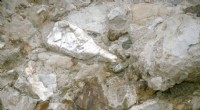
North Carolina’s mineral heritage dates back to 1823, when it pioneered the first geological and mineralogical survey in the U.S. Today the state leads national production of feldspar, mica, and pyrophyllite. Notably, the largest emerald crystal ever found in North America was mined here. Enthusiasts can also hunt for rubies, garnets, and over 300 additional gemstones.
Beyond timber and minerals, the state’s varied uplands, lowlands, forests, and estuaries create rich ecosystems that drive tourism and enhance residents’ quality of life. Wildlife ranges from black bears and white‑tailed deer to game birds like wild turkeys and pheasants, as well as a vast array of migratory birds and waterfowl.
North Carolina’s extensive coastline and inland waterways support robust recreational industries and a thriving fishing sector, with around 25,000 licenses issued annually for commercial and sport fishing. The deep‑water seaports of Wilmington and Morehead City are strategic hubs that handle high volumes of freight, providing efficient shipping routes to major eastern U.S. markets.