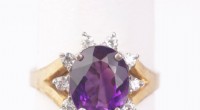
Jupiterimages/Photos.com/Getty Images
Gold has been prized since ancient Egypt for its beauty and unique properties. Its rarity, lustrous appearance, ease of melting, malleability, and excellent electrical conductivity make it indispensable in jewelry, coins, dentistry, and electronics. According to the World Gold Council, recycled gold accounted for 35 % of all available gold between 2005 and 2010, underscoring its importance as a cost‑effective alternative to mining.
Gold enters the recycling stream in several ways:
The first step is to determine the purity, measured in karats, with 24‑karat gold representing pure gold. Purity can be assessed using an acid kit, electronic tester, X‑ray fluorescence spectrometer, or melting‑point test. Once sorted, the gold is melted in a crucible at approximately 1,064 °C (1,947 °F). The molten metal is poured into bars marked by purity or further smelted to remove remaining impurities. Smelting may involve burning off contaminants or adding a flux that reacts with them, leaving behind clean, refined gold.
Gold in electronic waste is often only about 2 % by weight and is embedded within metal or plastic housings. After the housings are stripped, the gold can be recovered through chemical stripping—using a reagent that reacts with gold—or by melting down metal components, cooling, and grinding them. Both methods require subsequent extraction and purification via smelting to achieve market‑grade purity.
Dental gold—typically 16 karat—is usually mixed with non‑metal materials such as tooth enamel or porcelain. Recyclers employ acid reduction or reverse electroplating to separate gold from these non‑metal components. The extracted gold is then formed into bars or further refined to meet industry standards.