By Dustin Eves
Updated Mar 24, 2022
The rock cycle is the dynamic process by which Earth’s minerals transform continuously. Much like the water cycle, it explains how rocks erode, sedimentary layers form, magma intrudes, and new rocks emerge—enabling scientists to decode mountains, volcanoes, and riverbeds.
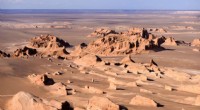
We begin with the familiar—solid rock. Weathering from wind, rain, ice, and biological activity disintegrates these masses into finer particles. Over time, these fragments accumulate as sediment.
Wind and water transport sediment to riverbeds and shorelines, where compaction and lithification convert it into sedimentary rock. Sandstone, a common example, can be thrust deep beneath the surface during tectonic plate shifts.
At depth, elevated temperatures melt rock, producing magma. When magma ascends but does not erupt, it cools slowly underground, allowing crystals to grow and form intrusive igneous rocks such as granite. If magma reaches the surface—lava—it cools rapidly, yielding extrusive rocks like basalt.
These new rocks eventually erode, returning the cycle to its first step and continuing the endless transformation of Earth’s crust.