By Terry Mann – Updated August 30 2022
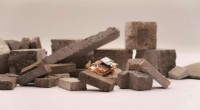
Rocks may appear unyielding, yet they are gradually consumed by natural forces. Geologists refer to this gradual breakdown as weathering, the process that turns solid rock into sediment. Water is the most pervasive agent of weathering, especially when it cycles between liquid and solid states. This phenomenon—known as freeze‑thaw weathering—drives significant mechanical erosion worldwide.
Weathering falls into three main categories: mechanical, chemical, and biological. Mechanical, or physical, weathering removes material from a rock without altering its mineral chemistry. The rock’s composition stays chemically identical, but its size and shape change as it is fractured or broken apart.
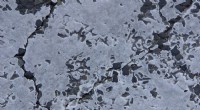
Water expands by about 9 % when it freezes. When moisture infiltrates a fissure in a rock, it freezes overnight, pushing the walls of the crack apart. The following day the ice melts, but the enlarged crack can absorb more water, which expands again the next night. Repeated cycles of expansion and contraction gradually widen the fissure until pieces of rock separate and crumble. This process, also called frost wedging, is a powerful driver of mechanical weathering in cold climates. Water Encyclopedia confirms the 9 % expansion figure.
Freeze‑thaw is only one way water erodes rock. Rivers and streams carry sediment and debris that scour surfaces, while chemical reactions in the water can dissolve minerals. A prime illustration is the Grand Canyon in Arizona: the Colorado River’s relentless flow, combined with wind and chemical weathering, has sculpted the canyon’s dramatic layers over millions of years. These forces continuously reshape the landscape, turning constructive geological processes into enduring natural sculptures.
Chemical weathering changes a rock’s mineral makeup, producing oxides, salts, and clays that give formations their characteristic colors. Biological weathering occurs when organisms—root systems, burrowing animals, lichens—physically or chemically attack rocks. Often, these three mechanisms interact: burrowing animals bring rock fragments to the surface where they become vulnerable to both chemical dissolution and mechanical forces.
Understanding the interplay of these processes is essential for geologists, civil engineers, and environmental planners working to preserve or mitigate natural and built environments.