Climate:
* Temperate and Wet: The Valley experiences a temperate climate with distinct seasons. It receives significant rainfall, especially in the winter months.
* Rain Shadow Effect: The Cascade Mountains to the east create a rain shadow effect, blocking the moisture from the Pacific Ocean and contributing to a drier summer season.
* Moderate Temperatures: The Valley experiences mild winters and warm summers, making it ideal for agriculture.
* Frequent Fog: The valley is prone to fog, especially in the summer months, which moderates temperatures and aids in irrigation.
Topography:
* Valley Floor: The Valley is a flat, fertile floodplain, providing excellent agricultural land.
* Surrounding Hills: The Coast Range to the west and Cascade Range to the east create a sheltered environment.
* River Systems: The Willamette River and its tributaries run through the valley, providing water for irrigation and transportation.
Soil:
* Rich and Fertile: The Valley's soil is rich in volcanic ash, making it incredibly fertile and suitable for a wide range of crops.
* Deep and Well-Drained: The soil is deep, allowing for root development and good drainage.
Other Abiotic Factors:
* Elevation: The Valley lies at a relatively low elevation, contributing to its moderate climate.
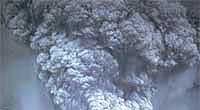
* Geology: The valley's geological history, including volcanic activity and the uplift of the surrounding mountains, has shaped its current landscape.
* Sunlight: The Valley receives a moderate amount of sunlight, supporting plant growth.
These abiotic factors have collectively created a unique environment that has made the Willamette Valley a major agricultural region and a vital part of the Pacific Northwest.