Pros:
* Fertile Soil: Alluvial plains are formed by river deposits, leading to rich, fertile soil ideal for agriculture. This can be beneficial if you're planning a farm or other agricultural endeavor.
* Flat Topography: Alluvial plains are typically flat, making them relatively easy to build on. This simplifies construction and reduces costs.
* Access to Water: Being formed by rivers, alluvial plains often have access to water for irrigation, drinking, and other uses.
* Abundant Groundwater: The deposits of sediment in alluvial plains often hold a plentiful supply of groundwater.
Cons:
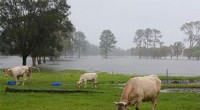
* Flooding Risk: The very nature of an alluvial plain means it's susceptible to flooding, especially during heavy rains or snowmelt. This risk can be significant and must be carefully assessed.
* Soil Instability: The loose sediment and soil can be prone to shifting and settling, potentially causing damage to foundations and structures.
* Erosion: Rivers that form alluvial plains can erode banks, leading to instability and potential damage to buildings.
* Groundwater Contamination: While alluvial plains often have abundant groundwater, it can also be vulnerable to contamination from pollutants, especially if there are industrial or agricultural activities nearby.
Overall:
Building on an alluvial plain can be viable, but it requires careful consideration and thorough planning. It's essential to:
* Conduct a thorough geological survey: This will assess the soil stability, groundwater quality, and potential flood risks.
* Implement flood control measures: This could include elevating structures, building levees, or installing drainage systems.
* Use appropriate building materials and techniques: Choose materials and construction methods that are resistant to moisture and soil movement.
* Consider the environmental impact: Minimize potential risks of pollution and erosion.
In conclusion, an alluvial plain can be a suitable place to build, but it's important to weigh the pros and cons carefully and take necessary precautions to mitigate potential risks. Consulting with experienced engineers, geologists, and environmental experts is highly recommended.