* Plate Tectonics: This theory describes the Earth's outer layer, the lithosphere, as being made up of several large plates. These plates "float" on the semi-molten asthenosphere and constantly move, interacting with each other.
* Ocean Trenches: These are deep, narrow depressions in the ocean floor, often found along the edges of continents.
The Connection:
Ocean trenches form at convergent plate boundaries, where two tectonic plates collide. Here's how the process works:
1. Subduction: When two plates collide, one plate (the denser one, usually an oceanic plate) is forced beneath the other (often a continental plate). This process is called subduction.
2. Downward Pull: The descending plate, pulled down by gravity, creates a deep trench at the surface.
3. Magma Formation: As the subducting plate sinks deeper into the mantle, it melts due to the increased heat and pressure. This molten material, called magma, rises towards the surface.
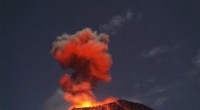
4. Volcanism: The rising magma often erupts at the surface, forming volcanic arcs, either along the edge of the continent or as chains of volcanic islands in the ocean.
In summary: Ocean trenches are direct evidence of plate tectonics and subduction. They mark the locations where two plates collide, one sinking beneath the other. The process of subduction is responsible for the formation of the trenches, as well as the associated volcanic activity.