* Weathering: This is the breakdown of existing rocks, soil, and minerals through physical and chemical processes. Examples include:
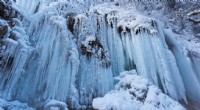
* Physical weathering: Freezing/thawing, abrasion, plant roots, etc.
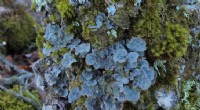
* Chemical weathering: Dissolution, oxidation, hydrolysis, etc.
* Erosion: This is the movement of weathered material by wind, water, ice, or gravity. It transports sediments from their original location.
* Transportation: The process by which eroded sediments are carried away from their source. This can happen over long distances and can result in sorting and rounding of the sediments.
* Deposition: When the energy of the transporting force decreases, sediments settle out and accumulate in layers. This is where the initial layers of sedimentary rocks begin to form.
* Lithification: The process by which loose sediments are transformed into solid rock. This involves:
* Compaction: The weight of overlying sediments presses out water and air from the sediment layers.
* Cementation: Dissolved minerals in groundwater precipitate between the sediment grains, binding them together.
In summary: Sedimentary rocks are formed by the accumulation of sediments, which are created by the weathering and erosion of existing rocks. These sediments are then transported, deposited, and finally lithified into solid rock.