1. Rock Layers (Stratigraphy):
* Superposition: The oldest rocks are found at the bottom of a sequence, while the youngest rocks are at the top.
* Fossil Succession: Fossils are found in a specific order within rock layers, indicating the age of the rocks.
* Correlation: Matching rock layers from different locations using fossils and other characteristics.
2. Fossils:
* Index Fossils: Fossils of organisms that lived for a short period of time and were geographically widespread. These help pinpoint the age of rock layers.
* Fossil Assemblages: Collections of fossils found together, providing information about the environment and time period when they lived.
3. Radioactive Dating:
* Radioisotopes: Certain radioactive elements decay at a known rate (half-life). By measuring the amount of radioactive element remaining in a rock, scientists can determine its age.
* Radiometric Dating: Provides absolute ages for rocks and fossils, allowing for more precise dating of events in Earth's history.
4. Magnetic Reversals:
* Paleomagnetism: Earth's magnetic field has reversed polarity throughout history. The orientation of magnetic minerals in rocks provides a record of these reversals, helping to date them.
5. Geologic Structures:
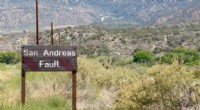
* Faults: Breaks in the Earth's crust can reveal the relative ages of rocks and the timing of tectonic events.
* Folds: Bends in rock layers indicate the forces that have acted on the Earth's crust, providing clues about the age and history of the area.
6. Geochemical Evidence:
* Isotopes: Variations in the ratios of isotopes in rocks can be used to determine age and other characteristics of geological events.
* Trace Elements: Certain elements can be used as indicators of age and environmental conditions.
7. Other Evidence:
* Meteorite Impact Craters: Dating craters provides information about past impacts and their effects on Earth.
* Climate Change Records: Ice cores, sediment layers, and other records can provide information about past climate changes and their timing.
The development of the geologic time scale is an ongoing process, with new data and discoveries constantly refining our understanding of Earth's history.