1. Areas with high rainfall and/or strong winds:
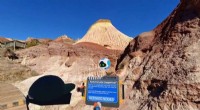
* Deserts: Strong winds can pick up loose sand and soil, transporting it across long distances.
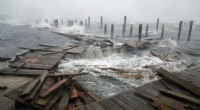
* Coastal regions: Waves and storms can cause significant erosion of coastlines, especially where cliffs and beaches are exposed.
* Mountainous regions: High rainfall and steep slopes contribute to rapid erosion.
2. Areas with sparse vegetation:
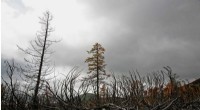
* Deforested areas: Trees help bind soil and reduce erosion, so deforestation can lead to severe soil loss.
* Overgrazed areas: Grazing animals can remove vegetation, leaving soil vulnerable to erosion.
3. Areas with easily erodible soils:
* Loamy soils: These soils are relatively fine-grained and easily carried away by wind and water.
* Clay soils: While clay is generally dense, when wet it can become very fluid and prone to erosion.
4. Human activities:
* Construction and development: Clearing land for buildings and roads can expose soil to erosion.
* Agriculture: Tilling and planting can disrupt soil structure, leading to increased erosion.
* Mining: Mining operations often involve the removal of topsoil, leaving the land vulnerable to erosion.
Examples of areas with significant erosion:
* The Grand Canyon: Erosion by the Colorado River over millions of years carved out this iconic landmark.
* The Great Plains of North America: Wind erosion has been a major problem in this region, particularly during droughts.
* The coastline of Florida: Rising sea levels and storms are causing significant coastal erosion.
It's important to note that erosion is a natural process that is essential for shaping the Earth's landscape. However, excessive erosion can have negative consequences, such as soil degradation, loss of biodiversity, and water pollution.