1. Parent Material: This is the bedrock or sediment that the soil develops from. The mineral composition and texture of the parent material will directly influence the properties of the resulting soil.
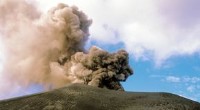
* Examples: Granite, limestone, shale, glacial till, volcanic ash.
2. Climate: Climate plays a crucial role in weathering and soil development.
* Temperature: High temperatures promote chemical weathering, breaking down minerals and creating new ones.
* Precipitation: Water is essential for chemical weathering, leaching nutrients, and transporting soil particles.
* Wind: Wind can transport sand and dust, influencing soil texture and deposition.
3. Organisms: Living organisms play a vital role in soil formation.
* Plants: Roots break up rocks, contribute organic matter, and influence water infiltration.
* Animals: Earthworms, insects, and burrowing animals mix and aerate soil.
* Microorganisms: Bacteria, fungi, and other microbes decompose organic matter, release nutrients, and contribute to soil structure.
4. Topography: The slope and shape of the land influence how water flows, soil erosion, and the distribution of soil types.
* Steep slopes: Prone to erosion, leading to thin soils.
* Flat areas: Allow for accumulation of soil and organic matter.
5. Time: Soil formation is a slow process that can take hundreds or even thousands of years.
* Young soils: Develop from recently exposed parent material and may have a limited profile.
* Mature soils: Have well-developed horizons and are rich in organic matter.
How these factors interact:
* Weathering: Climate, organisms, and time work together to break down parent material into smaller particles, creating the foundation of soil.
* Nutrient Cycling: Organisms and climate influence the decomposition of organic matter and the release of nutrients.
* Soil Structure: The interaction of organisms, climate, and parent material influences the formation of soil aggregates and the development of different soil layers (horizons).
* Erosion and Deposition: Topography, climate, and human activities influence the movement and deposition of soil.
Understanding the interplay of these factors is crucial for managing soil resources effectively, preventing erosion, and ensuring sustainable agricultural practices.