Here's why:
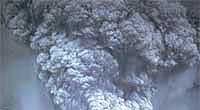
* Active continental margins are characterized by tectonic activity, including earthquakes and volcanic eruptions. This leads to steep slopes and frequent landslides.
* Turbidites are formed when gravity-driven currents, known as turbidity currents, carry sediment down the continental slope. These currents are often triggered by earthquakes or other disturbances.
* The rapid deposition of sediment by turbidity currents results in a distinctive layered structure, known as graded bedding.
Other sedimentary rocks found in active continental margins include:
* Sandstone: Derived from erosion of uplifted land.
* Conglomerate: Formed from larger, rounded gravel, indicative of high energy environments.
* Mudstone/Shale: Fine-grained sediment deposited in calmer areas.
* Volcaniclastic sediments: Derived from volcanic eruptions.
However, turbidite is the most characteristic and abundant sedimentary rock type found in active continental margins due to the specific geological processes that occur there.