Erosion and deposition are two interconnected processes that shape the Earth's surface. Here's a breakdown of their features:
Erosion:
* Process: The wearing away and transportation of Earth materials, such as soil, rock, and sediment, by natural forces like wind, water, and ice.
* Agents:
* Wind: Carries sand, silt, and dust, creating sand dunes, loess deposits, and wind-carved landscapes.
* Water: Rivers, streams, waves, and rain transport sediment, forming canyons, valleys, deltas, beaches, and coastlines.
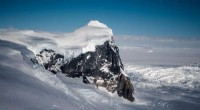
* Ice: Glaciers carve valleys, transport boulders, and leave behind glacial deposits like moraines and drumlins.
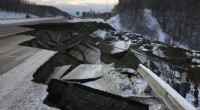
* Gravity: Causes mass wasting events like landslides and rockfalls, contributing to slope erosion.
* Types:
* Physical erosion: The mechanical breakdown of rocks and soil without changing their chemical composition.
* Chemical erosion: The chemical alteration of rocks and minerals, often caused by acidic rainwater or groundwater.
* Features:
* Canyons: Deep, narrow valleys carved by rivers.
* Valleys: Depressions in the land formed by erosion.
* Beaches: Accumulations of sand and other sediments along coastlines.
* Sand dunes: Hills of sand created by wind.
* Glacial valleys: U-shaped valleys carved by glaciers.
* Cirques: Bowl-shaped depressions carved by glaciers.
* Moraines: Ridges of debris deposited by glaciers.
Deposition:
* Process: The dropping or settling of eroded material in a new location.
* Factors:
* Velocity of the transporting agent: As the velocity decreases, larger particles are deposited first.
* Amount of sediment: The more sediment there is, the more likely it is to be deposited.
* Obstructions: Changes in terrain or vegetation can cause deposition.
* Features:
* Deltas: Triangular landforms formed at the mouth of rivers where they deposit sediment.
* Alluvial fans: Fan-shaped deposits of sediment at the base of mountains.
* Sandbars: Ridges of sand deposited in rivers or along coastlines.
* Loess deposits: Thick layers of wind-blown silt.
* Glacial till: Unsorted debris deposited by glaciers.
* Floodplains: Flat areas along rivers that are periodically flooded.
* Sand dunes: Hills of sand deposited by wind.
Interconnection:
* Erosion and deposition are interconnected processes: Erosion provides the material for deposition, and deposition creates new landforms that can be further eroded.
* The balance between erosion and deposition shapes the Earth's surface: Areas with high erosion rates tend to have low deposition rates, and vice versa.
By understanding the features of erosion and deposition, we can better appreciate how these processes shape the Earth's landscape and influence our environment.