Natural Agents:
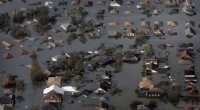
* Water: The most powerful agent of erosion. It can carve out canyons, transport sediment, and shape coastlines.
* Wind: Can move sand and dust, creating dunes and shaping landscapes, especially in arid regions.
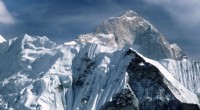
* Ice (Glaciers): Can carve out valleys, transport rocks and sediment, and leave behind distinct glacial landforms.
* Gravity: Causes landslides, rockfalls, and soil creep, moving material downslope.
* Waves: Erode coastlines, shaping cliffs, beaches, and creating inlets and bays.
* Living Organisms: Plants can break down rocks with their roots, and animals can burrow and create tunnels.
Human-Induced Agents:
* Deforestation: Removing trees can lead to soil erosion, as the roots are no longer holding the soil in place.
* Agriculture: Plowing fields can expose soil to wind and water erosion.
* Construction: Building roads and other structures can disrupt natural drainage patterns, leading to erosion.
* Mining: Removing minerals can leave behind large, unstable areas prone to erosion.
Understanding these agents helps us:
* Predict how landscapes will change over time.
* Develop strategies to prevent erosion and protect the environment.
* Appreciate the forces that have shaped the Earth's surface.